










NeoMano Robotic Glove Helps People with Paralyzed Hands to Grip Objects
Patients with spinal cord injury may experience symptoms like pain, numbness or even paralysis. Patients may be unable to perform everyday tasks, thereby leaving...
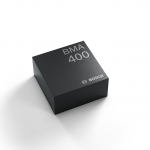
Bosch’s Ultra-Low Power Accelerometer BMA400 is Made for Wearable Devices
German Sensor maker Bosch Sensortec has launched its BMA400, an ultra-low power MEMS acceleration sensor for IoT and wearable devices. Its low current consumption,...
The State of Wearable Technology in Healthcare: Current and Future
With the advancement of technology, healthcare is getting more access to patient information to understand patient behaviors and improved care. The proliferation of wearables...

British Army Exploring Utilization of Wearable Technology for Injury Prevention
The British Defence and Security Accelerator (DASA) are exploring potential use of wearable technology to prevent injury in the British Army. Before the launch,...
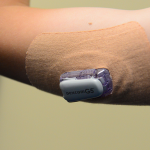
Washington University Researchers Use Glucose as Power Source for Medical Implants
Popular health wearables such as smartwatches or implanted medical devices and patches typically require batteries which need to be recharged. Now, researchers at Washington...
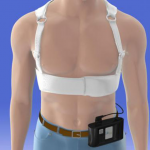
Wearable Cardioverter-Defibrillator Does Not Prevent Sudden Death After Myocardial Infarctions
Patients with myocardial infarction may get some benefit from wearing a cardioverter-defibrillator in the month after a heart attack, but it does not reduce...